Episodes

Episode 11: (Re)Covering Bad Women– From Ithaka to Whitechapel Project PhDcast

This episode is the second in “(Re)Covering Bad Women,” a podcast miniseries exploring vulnerability, precarity, and victimization in true crime podcasts. This episode is an explanation of my creative podcast episode, (Re)Covering Bad Women: Unruly Slave Girls in the Odyssey. This episode connects the creative sound piece to broader themes from Emily Wilson’s translation of […]
  1. Episode 11: (Re)Covering Bad Women– From Ithaka to Whitechapel
  2. Episode 10: (Re)Covering Bad Women– Unruly Slaves in the Odyssey
  3. Episode 09: An Autumn Walk in the Woods
  4. Episode 08: Here’s to Punk Podcasting
  5. Episode 07 Theories & Methods: Humanities Podcasting & Public Discourse
  6. Episode 06: Recent Reading on True Crime
  7. Episode 05: Is Podcasting Dead?
  8. Episode 04: Academic Identities– A conversation with Darrin Sunstrum
  9. Episode 03: Writing Magic
  10. Episode 02: Copagandacasting

About Alison

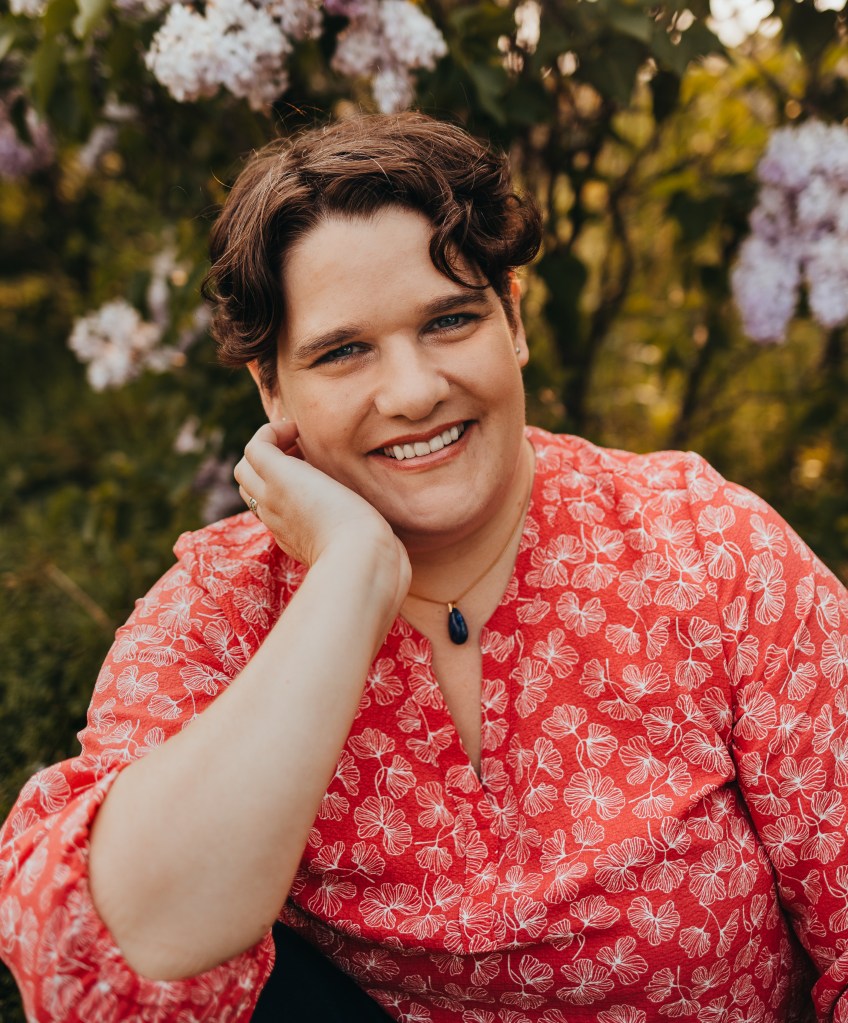
Photo of Alison Innes

Alison Innes is a researcher, podcast producer, and storyteller who believes that our best conversations help us better understand each other—and ourselves. She is passionate about the power of podcasts to create space for authentic, ethical, and vulnerable storytelling that connects people, ideas, and communities.

As a PhD student in Brock University’s Interdisciplinary Humanities program, Alison researches how podcasts foster trust, create connection, and help people make sense of ideas together. She is especially interested in how podcasting can build relationships, share stories, democratize knowledge, and invite more people into conversations that matter.

Whether she’s researching, producing, or holding space for conversations, Alison is guided by a simple belief: that when we share knowledge with curiosity, generosity, and care, we create opportunities to better understand each other.

Podcasting and researching from the traditional territory of the Haudenosaunee and Anishinaabe peoples in modern-day Canada.  Photo credit Kaitlyn Daw.